
By Parull Chaudhry
Co-Founder, NamasteeWanderrlust · Updated April 16, 2026 · 9 min read
Welcome to Munnar
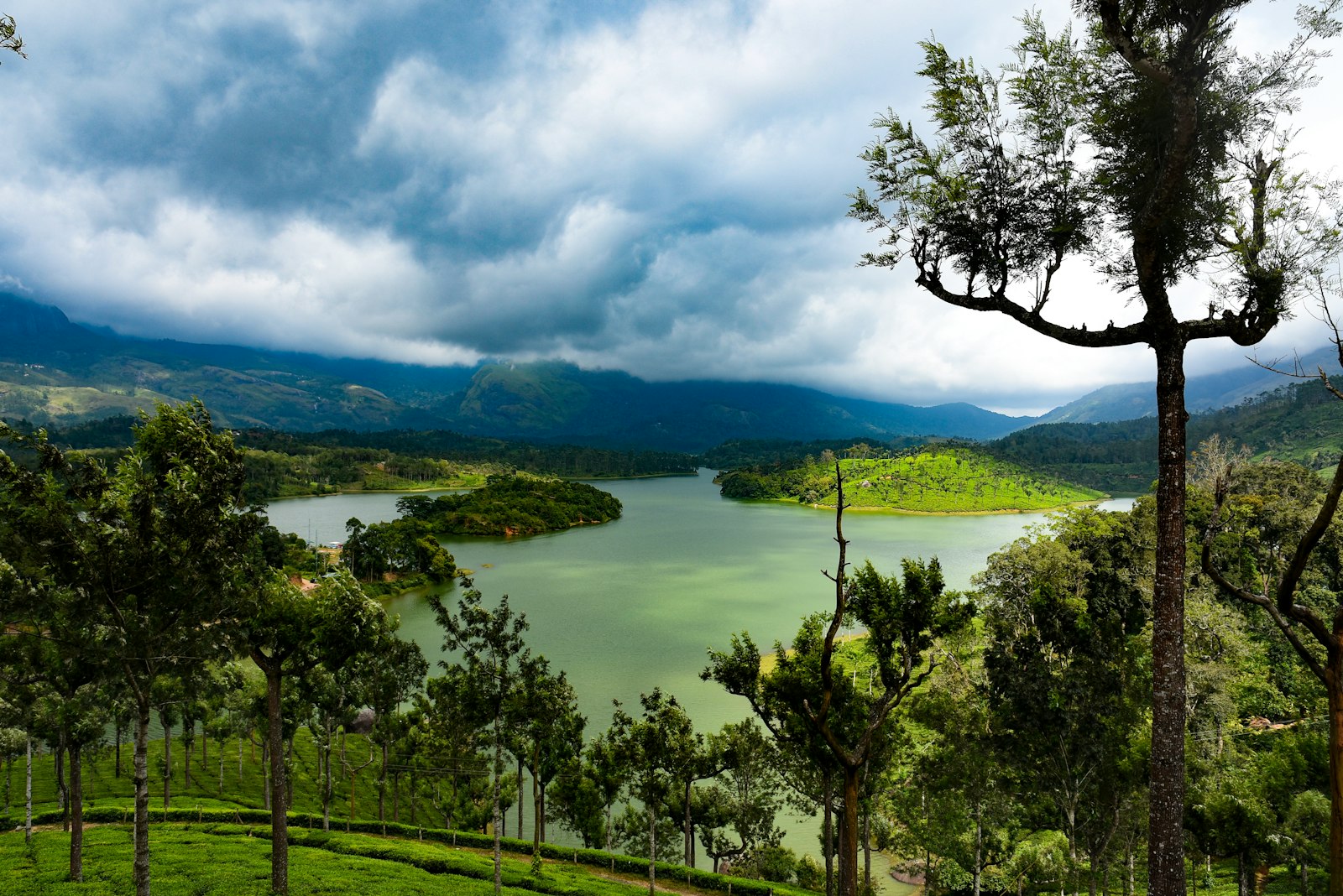
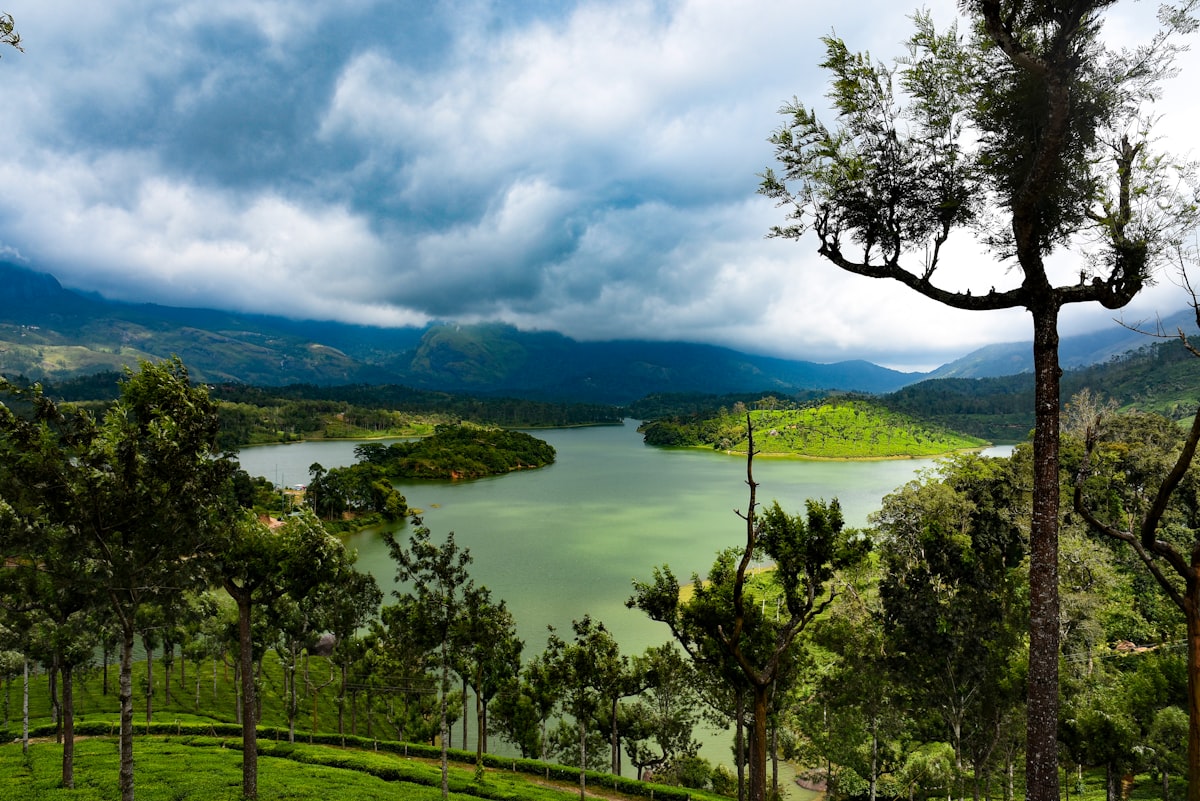
The first thing that hits you in Munnar is the smell. Not of pine or cold mountain air like you get in the Himalayas, but something green and slightly sweet, almost like crushed mint — the scent of tea leaves being tossed in the wind across millions of pruned bushes. Then you notice the colour. Every shade of green you didn't know existed, stitched together like a quilt across impossible slopes. And then, finally, the quiet. The kind of quiet that makes you realise how noisy your real life actually is.
We've taken groups up the winding road from Kochi more times than we can count, and yet every single drive feels like the first. Munnar, perched at around 1,600 metres in Kerala's Western Ghats, was a summer retreat for the British in the 1800s and the old colonial bones are still everywhere — a red-roofed church, a tiny railway that used to cart tea down the hills, stone bungalows with moss on the walls. Today it's the most photogenic corner of God's Own Country, and the rare hill station that manages to feel romantic, adventurous and restful all at once.
If you've been putting off a Munnar trip, take this as a sign. This guide is our full playbook — the same notes we give our group trip guests, now polished up for 2025.
Best Time to Visit Munnar
Munnar is a year-round destination, but each season shows you a completely different face of the hills. Here's how we think about it.
September to May — the sweet spot
This is the window we always recommend for first-timers. Skies are largely clear, temperatures sit between 10°C and 25°C, and the tea gardens look like a saturated postcard. October and November, right after the monsoon, are especially magical — every leaf is washed clean, waterfalls are fat and loud, and the air smells of wet earth. December and January are the coldest, with morning mists that roll through the valleys and occasional frost on the grass. February to April is warm, dry and perfect for photography.
June to August — monsoon (gorgeous but tricky)
Kerala's monsoon is a full-blown character. The hills turn a hallucinogenic green, waterfalls triple in size, and everything smells of cardamom. But landslides on the Kochi–Munnar road are real, some viewpoints close, and leeches (yes, leeches) make forest walks an adventure sport. If you go in monsoon, travel slowly, carry waterproof everything, and treat delays as part of the experience.
Summer (April–May) — India's best-kept secret
When the rest of India is hitting 42°C, Munnar is a cool 24°C. Add long daylight hours and the tail end of flower blooms, and you have a genuinely underrated time to visit. This is also when the famous Neelakurinji — a purple-blue flower that blooms once every 12 years — makes its rare appearances across the Western Ghats.
Pro Tip
Avoid the first week of May and the Diwali long weekend unless you enjoy traffic. The shoulder weeks — mid-September, late January, early March — are where Munnar feels like it's yours.
Top Things to Do in Munnar
Munnar is small, but the area around it is packed. Here are the experiences we'd fight for if we could only pick a handful.
1. Kanan Devan Tea Museum
Skip this at your own risk. The Tata Tea-run museum on Nallathanni Estate walks you through how a leaf becomes the cup of chai in your hand — and the best bit is the tasting session at the end. You learn the difference between orthodox and CTC tea, see a 1905 tea-rolling machine still in working order, and leave with a new appreciation for a drink you've had a thousand times. Tickets are around ₹150.
2. Eravikulam National Park
A UNESCO-protected home to the Nilgiri Tahr (those surefooted mountain goats you'll see on every Kerala tourism poster) and the best single viewpoint in the region. The trail is short and paved, which makes it great for older family members, and the top deck looks out over Anamudi — South India's highest peak at 2,695 metres. Go at opening time (8 a.m.) to beat the crowds and the haze. Tickets around ₹200 for adults.
3. Attukal Waterfall
A ten-minute walk off the Munnar–Pallivasal road rewards you with a long, multi-tiered waterfall that photographs beautifully and isn't overrun. Post-monsoon it's thundering; in dry months it's a gentler cascade. Wear shoes with grip — the rocks are slick.
4. Mattupetty Dam
Thirteen kilometres from town, Mattupetty is where Munnar gets its "Swiss of India" nickname. You can do a short speedboat ride on the reservoir, then drive another ten minutes to the Indo-Swiss Project dairy farm where they've been raising crossbred cows since 1963. It's a great low-key morning.
5. Kundala Lake
Further up the same road, Kundala is a cherry-blossom-lined artificial lake with pedal boats and a dam that was Asia's first arch dam when it was built in 1946. The drive here is arguably better than the destination — expect to stop every five minutes for photos.
6. Top Station
The highest point on the Munnar–Kodaikanal road at 1,880 metres, Top Station sits on the Kerala–Tamil Nadu border and on a clear day the view over the Theni valley is jaw-on-the-floor good. Try to get there before 10 a.m. — after that, clouds roll in and you're basically staring into a wall of white. It's a 32-km drive from town and worth every switchback.
7. Spice Plantation Walk
Kerala is the cardamom capital of India, and a guided walk through a working spice plantation (we love the ones in Abhinav Estate) teaches you what cardamom, pepper, vanilla, clove and nutmeg actually look like growing. You'll never look at your garam masala the same way again. Most walks are 60–90 minutes and cost ₹300–500 per person.
A Sample 3-Day Munnar Itinerary
Munnar works beautifully as a three-night trip. Anything shorter and the drive eats the experience; anything longer and you start running out of marquee sights. This is the rhythm we use for our group trips.
Day 1 — Arrive & settle in
- Morning: Fly into Kochi (COK). Pick up a pre-booked cab for the 4–4.5 hour drive up. Stop at Cheeyappara or Valara Waterfalls en route for a leg-stretch.
- Afternoon: Check in at your tea-estate stay. Big lunch of Kerala sadhya. Nap aggressively.
- Evening: Short walk through the estate at golden hour. Bonfire dinner. Sleep early — you're about to be up before sunrise.
Day 2 — The classic circuit
- 6:30 a.m.: Sunrise at Rajamala viewpoint or the estate edge.
- 8:00 a.m.: Eravikulam National Park gates open — be there.
- 11:00 a.m.: Tea Museum + tasting.
- 1:00 p.m.: Lunch at Sree Nivas (locally famous for Kerala parotta and beef fry — vegetarians get full honours too).
- Afternoon: Mattupetty Dam, Echo Point, Kundala Lake in a loop.
- Evening: Chai + sunset at a tea estate viewpoint. If your stay has a bonfire, use it.
Day 3 — Go further, slow down
- Early morning: Drive to Top Station for the view before the clouds show up.
- Late morning: Spice plantation walk.
- Afternoon: Attukal Waterfall visit, then a slow drive back through Pothamedu viewpoint.
- Evening: Kathakali performance in town (it's touristy, but genuinely worth seeing once).
You can add a fourth day for a trek in Meesapulimala or a day-trip to Thekkady (Periyar wildlife reserve) — both are brilliant and we build them into our longer itineraries.
Where to Stay in Munnar
You basically have two choices in Munnar, and they offer very different experiences.
Tea estate resorts (our pick)
These sit 8–20 km outside the main town, inside working plantations. You wake up to uninterrupted views, the evenings are stone-silent, and you get a real sense of what Munnar actually is. Think Tall Trees, Windermere Estate, or The Panoramic Getaway. Rates range from ₹6,500–₹18,000 a night. If it's your first time and you're choosing just one, go estate.
Munnar town hotels
Closer to restaurants, shopping and the bus stand, but Munnar town itself is a bit charmless — crowded, a little dusty, and the traffic can be loud. Good if you want everything within walking distance and don't mind a functional stay over a scenic one. Rates start around ₹2,500.
"The real magic of Munnar isn't in the viewpoints. It's in sitting on the verandah of a tea-estate bungalow at 6 a.m. with a glass of hot tea, watching the mist crawl over the ridge."
Munnar Food Guide
Kerala food doesn't get the pan-Indian hype it deserves, and Munnar is a great gateway into it. Coconut, curry leaves, black pepper, mustard seeds and the sea run through everything — even up here in the hills.
Here's what we make sure every guest tries at least once:
- Kerala sadhya — the full vegetarian feast served on a banana leaf. 20+ dishes including avial, sambar, thoran, pachadi, and payasam to finish.
- Appam with stew — lacy rice pancakes with a coconut-milk vegetable or chicken stew. The ultimate hill-station breakfast.
- Puttu & kadala curry — steamed rice-flour cylinders with black chickpea curry. Looks unusual, tastes like home.
- Kerala parotta & beef fry — flaky, buttery flatbread with a peppery, dry beef preparation. A cult favourite.
- Karimeen pollichathu — pearl spot fish marinated in spices and roasted in a banana leaf. Order it whenever you see it.
- Meen moilee — a mild coconut-milk fish curry perfect for anyone who finds Kerala food too spicy.
- Filter kaapi & cardamom chai — end every meal with one.
Two reliable restaurants we send everyone to: Sree Nivas for soul-food Kerala meals and Rapsy Restaurant for the best parotta-beef combo under ₹250.
Did You Know?
Kerala was the first place in India where commercial tea cultivation took off outside Assam and Darjeeling — Scottish planter John Daniel Munro is the one who kicked it all off in Munnar in the 1870s.
How to Reach Munnar
Munnar doesn't have its own airport or railway station, so getting here is half the journey. That's honestly part of the charm — the road up is ridiculously scenic.
By air
- Kochi (COK) — 110 km, about 4 to 4.5 hours by road. This is the most popular option with the most flight connections. Direct flights from every major Indian metro.
- Madurai (IXM) — 140 km, about 4.5 hours. A good pick if you're coming from Chennai or Bengaluru as there are more direct flights from the south. The road from Madurai is also quieter.
- Coimbatore (CJB) — 170 km, about 5.5 hours. Fewer people use this option, so the road is blissfully light.
By road
- From Bengaluru: About 570 km. If you're driving, split it into two days with a halt in Mysuru or Coimbatore — an overnight drive is doable but brutal on the ghats.
- From Chennai: About 615 km via Madurai. Again, split it into two days.
- From Kochi: The classic drive. NH-85 via Adimali. If you leave Kochi by 9 a.m. you'll reach Munnar in time for a late lunch.
By train
Closest station is Aluva, about 110 km away. Ernakulam Junction (Kochi) is slightly further but much better connected. Cabs from both cost ₹2,800–₹3,500 one-way.
Travel Tips for Munnar
Small things that make the trip smoother:
- Carry some cash. UPI works in town, but some forest entries, local guides and roadside stalls are still cash-only. ₹3,000–₹5,000 in small notes is a good buffer.
- Layer up. Even in April, mornings and evenings drop to 12°C. A light fleece, a windproof jacket and closed shoes are non-negotiable. Flip-flops in Munnar are a rookie mistake.
- Watch for leeches in monsoon. June to August, if you're walking through wet forest, tuck pants into socks and keep salt or tobacco on hand. They're harmless but nobody enjoys the surprise.
- Respect the altitude. Munnar isn't high enough to cause altitude sickness for most people, but if you're coming from sea level, go easy on day one — skip the beer at dinner and hydrate well.
- Carry motion-sickness tablets. The ghat road has 30+ hairpin bends. Even seasoned travellers can feel queasy.
- Book Eravikulam tickets online. The queue at the gate is brutal in peak season.
- Data can be patchy. Jio and Airtel are reliable in town, but inside estates and on the road to Top Station you'll lose signal. Download offline maps before you start.
- Respect the tea gardens. They're working farms, not photo studios. Don't trample the bushes. The women picking tea are paid by the kilo — every ruined plant is a real cost to them.
Why Book a Group Trip to Munnar with NamasteeWanderrlust
We'll be honest — you can absolutely plan Munnar solo, and it'll be lovely. What we offer is a different thing: the same places, but with a crew of like-minded travellers, a curated set of experiences you'd miss on your own, and the chance to do it alongside a creator whose work you already follow.
Our Munnar group trips are kept deliberately small (usually 14–18 people), host-led by influencers like Parull Chaudhry, and include tea-estate stays, all meals, the best viewpoints at the right time of day, and genuinely fun add-ons — bonfires, a private tea tasting, a slow morning at a spice estate. We do the planning; you do the showing up.
Ready to visit Munnar?
Join our next Munnar group trip with influencer Parull Chaudhry — tea-estate stays, curated experiences and a small crew of great humans, from ₹30,010.
Frequently Asked Questions
Quick answers to the most common questions about visiting Munnar, Kerala.
What is the best time to visit Munnar?
The best months to visit Munnar are September to March, when the weather is pleasant (15-25°C), the tea gardens are lush, and rainfall is minimal. Avoid June-August unless you love the monsoon — roads can be slippery and some trekking trails close. April-May is ideal if you want to catch the rare Neelakurinji flower bloom (next major bloom: 2030).
How many days do you need in Munnar?
Three to four days is ideal. Day 1 — tea plantation tour, Tea Museum, Mattupetty Dam. Day 2 — Eravikulam National Park, Top Station viewpoint. Day 3 — spice garden, Attukal Waterfalls, Kundala Lake. Day 4 — optional Chinnar Wildlife Sanctuary or a slow day at a tea estate stay. Rushing Munnar in 1-2 days means you'll miss its best viewpoints.
How do I reach Munnar from Cochin?
The closest airport is Cochin International (COK), 110 km / 4 hours by road from Munnar. Pre-book a taxi (₹3,500-4,500) or take the KSRTC bus from Ernakulam bus stand (₹180, 5 hrs). Train travellers should get off at Aluva station and either take a taxi or bus from there. The ghat road is winding — avoid night travel.
Is Munnar safe for solo female travellers?
Yes, Munnar is one of the safer hill destinations in India for solo female travellers. The town is small, locals are helpful, and homestays are common and welcoming. Stick to daytime trekking, avoid isolated viewpoints after dark, and book accommodations with good reviews. Our small-group trips are a great alternative if solo travel feels daunting.
What food is Munnar famous for?
Munnar's food scene blends Kerala staples with plantation influences. Try appam with kadala curry, puttu with beef, Kerala parotta, Malabar fish curry, and fresh cardamom-flavoured desserts. Don't leave without sampling fresh tea at a plantation café and home-made chocolates at Munnar's chocolate factories — a legacy of the town's colonial past.
Can I visit Munnar during the monsoon?
You can, but with caveats. Monsoon (June to August) transforms Munnar into a misty green paradise with dramatic waterfalls, but expect heavy rainfall, potential landslides on the Cochin-Munnar road, leech-infested trekking trails, and limited visibility at viewpoints. Photographers love it; first-time visitors usually don't. Carry waterproof gear if you go.
How much does a Munnar trip cost?
A mid-range 3-night Munnar trip costs ₹15,000-25,000 per person, covering stays (₹2,500-5,000/night), food (₹1,500/day), and local sightseeing (₹2,500). Budget travellers can do it for ₹10,000; luxury tea-estate stays push budgets to ₹40,000+. Our curated NamasteeWanderrlust Munnar group trip starts at ₹30,010 per person including accommodation, meals, transport and activities — usually cheaper than DIY for the experience.
What should I pack for Munnar?
Pack layers — Munnar is cool year-round. Essentials: light jackets or fleeces, comfortable walking shoes (not sandals), rain poncho, sunscreen, insect repellent, and a power bank. Phone networks can be patchy at higher altitudes, so download offline Google Maps. For monsoon trips, add waterproof shoes and quick-dry clothing.